
You are using an out of date browser. It may not display this or other websites correctly.
You should upgrade or use an alternative browser.
You should upgrade or use an alternative browser.
random stuff
- Thread starter greyblob
- Start date






NotaNuffian
This does spark joy.
- Joined
- Nov 26, 2019
- Messages
- 5,336
- Points
- 233
Roselia's enthusiasm made me spit.View attachment 32782
I wonder why game freak took this away?


2wordsperminute
Well-known member
- Joined
- Sep 3, 2023
- Messages
- 633
- Points
- 133
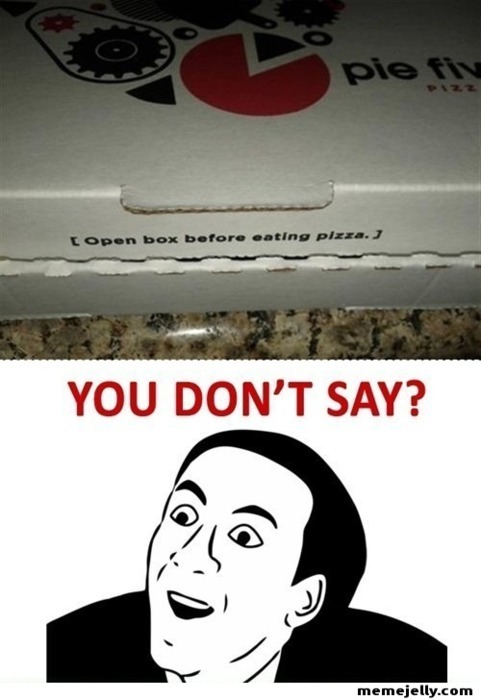
The best part is, you can't even see that without opening the box.

Representing_Tromba
Sleep deprived mess of an author begging for feedb
- Joined
- Jan 29, 2020
- Messages
- 6,037
- Points
- 233
Representing_Tromba
Sleep deprived mess of an author begging for feedb
- Joined
- Jan 29, 2020
- Messages
- 6,037
- Points
- 233
Representing_Tromba
Sleep deprived mess of an author begging for feedb
- Joined
- Jan 29, 2020
- Messages
- 6,037
- Points
- 233
Representing_Tromba
Sleep deprived mess of an author begging for feedb
- Joined
- Jan 29, 2020
- Messages
- 6,037
- Points
- 233
Representing_Tromba
Sleep deprived mess of an author begging for feedb
- Joined
- Jan 29, 2020
- Messages
- 6,037
- Points
- 233
Representing_Tromba
Sleep deprived mess of an author begging for feedb
- Joined
- Jan 29, 2020
- Messages
- 6,037
- Points
- 233
Representing_Tromba
Sleep deprived mess of an author begging for feedb
- Joined
- Jan 29, 2020
- Messages
- 6,037
- Points
- 233
Representing_Tromba
Sleep deprived mess of an author begging for feedb
- Joined
- Jan 29, 2020
- Messages
- 6,037
- Points
- 233

- Joined
- Nov 16, 2021
- Messages
- 1,410
- Points
- 153
A bedtime story about bullet:
The cosmos held its breath in that moment—Earth’s great Cold War rivalry, fueled by paranoia, ambition, and a stubborn determination not to be outdone, had finally boiled over, spilling into the infinite abyss of space. Aboard an aging, creaking orbital station that reeked of recycled air and desperation, U.S. astronaut Lieutenant Jack Carmichael floated with a steely expression, sweat beading on his brow. His grip on the cold metal of the service pistol tightened, every muscle in his body screaming tension. Across the sterile chamber, Soviet cosmonaut Yuri Volkov hung in the void with an expression that hovered somewhere between amused contempt and sheer boredom. His eyes seemed to say, “Is this the best the Americans can do?”
Jack’s breath fogged up his helmet visor as he focused, his mind racing. This was it. The final standoff in a rivalry that had spanned decades, fueled by politics, propaganda, and a heaping pile of masculine posturing. Jack had always dreamed of being a hero in space. Shooting someone wasn’t quite what he had envisioned, but duty was duty. His finger inched toward the trigger.
Bang.
The gun discharged with a muffled, anticlimactic puff in the vacuum. The bullet zipped forward, freed from Earthly restraints like drag and air resistance. It should have been a clean shot; it should have been a dramatic end to their Cold War duel. Instead, the projectile hurtled past Volkov by a margin that was, frankly, embarrassing. Jack, for all his bravado, had forgotten that Newton’s Third Law didn’t take breaks, even for patriotic showdowns. The force of the shot sent him spinning backward, limbs flailing like a drunk marionette, until he collided with a storage panel, rattling metal tools and spare parts.
Volkov, having ducked only slightly out of instinct, now floated serenely, unscathed and deeply unimpressed. His breath came slow and measured as he glared at the spinning American, the hint of a mocking smirk playing at his lips beneath the visor. “Bravo, comrade,” he sneered through the crackling comm channel. “This is why you should stick to cowboy movies. Leave the real work to professionals.”
Jack tried to snarl a retort, but it came out as an undignified huffing noise while he struggled to right himself. It was, to put it mildly, not his finest hour. But while the two men’s egos and grievances sparred within that cramped tin can orbiting above Earth, the bullet continued its silent, lonely path, blissfully free of human folly.
Time, as far as the bullet was concerned, had no meaning. Its purpose was simple: go forward. And so it did. It traveled past the orbit of the Moon, sailing over grey craters that had stared unblinkingly at Earth’s squabbles for eons. It zipped past Mars, where a lonely rover paused its soil sampling to glance skyward (not that it had any way of seeing the speeding bullet, but let’s not ruin the moment). Past Jupiter, whose swirling Great Red Spot turned with ponderous disinterest, and Saturn, whose rings of ice and rock barely registered the bullet’s passing.
As it approached the outer solar system, the Sun’s gravitational pull gave one last nudge, a celestial farewell gift of acceleration. It careened past Neptune and the Kuiper Belt, dodging icy remnants of the early solar system with a speed that would have given physicists nosebleeds. Out of the solar system it went, past distant comets and forgotten probes, past the boundary where the Sun’s influence dwindled into nothingness. Here, the universe opened up like a vast, indifferent maw, ready to swallow the little piece of metal that had once symbolized one man’s desperation and poor aim.
The bullet sped on, guided only by the whims of gravity and the indifference of space. Millennia blurred together, each second stretching into eternity as it traversed the void. It passed through clouds of interstellar dust, was subtly tugged by the mass of distant stars, and threaded its way around pulsars whose beams of radiation would have fried it into nothingness had it wandered too close. It dodged the slow-moving wreckage of long-dead civilizations—though, really, “dodged” implies intent, and the bullet possessed none. It was merely a passenger on the chaotic, unfeeling ride that was the universe’s grand stage.
After countless light-years, during which entire empires rose and fell back on Earth (none of which would have cared a whit about one stray bullet), it arrived at its ultimate, improbable destination. A system of asteroids orbited a pale star, and here, on one particularly mineral-rich rock, Zargthar was hard at work. Zargthar, a veteran miner of the Xalorian guild, had always considered itself lucky. It had survived mining accidents, radiation storms, and that one time a co-worker tried to unionize (an “accident” best left unspoken). Today, it was chipping away at a particularly stubborn vein of ore when—
Whiz.
The bullet, now traveling with a speed that defied any sense of proportion, reached its victim. In the blink of a multi-faceted eye, Zargthar slumped to the asteroid’s dusty surface, pick clattering noiselessly in the void. Its last thought—frustration at dying mere moments before clocking out—echoed briefly before fading into the cold silence.
Back on Earth, Lieutenant Jack Carmichael and Yuri Volkov lived out the rest of their days never knowing what their petty squabble had wrought. In the end, space cared little for human rivalries; it preferred, instead, to play host to absurd cosmic punchlines like this one—a bullet’s thousand-light-year journey, ending a life with complete, indifferent finality. Zargthar's colleagues scratched their heads (or equivalent appendages), then went back to work, muttering about cosmic hazards and, of course, the union's never-ending incompetence.
Jack’s breath fogged up his helmet visor as he focused, his mind racing. This was it. The final standoff in a rivalry that had spanned decades, fueled by politics, propaganda, and a heaping pile of masculine posturing. Jack had always dreamed of being a hero in space. Shooting someone wasn’t quite what he had envisioned, but duty was duty. His finger inched toward the trigger.
Bang.
The gun discharged with a muffled, anticlimactic puff in the vacuum. The bullet zipped forward, freed from Earthly restraints like drag and air resistance. It should have been a clean shot; it should have been a dramatic end to their Cold War duel. Instead, the projectile hurtled past Volkov by a margin that was, frankly, embarrassing. Jack, for all his bravado, had forgotten that Newton’s Third Law didn’t take breaks, even for patriotic showdowns. The force of the shot sent him spinning backward, limbs flailing like a drunk marionette, until he collided with a storage panel, rattling metal tools and spare parts.
Volkov, having ducked only slightly out of instinct, now floated serenely, unscathed and deeply unimpressed. His breath came slow and measured as he glared at the spinning American, the hint of a mocking smirk playing at his lips beneath the visor. “Bravo, comrade,” he sneered through the crackling comm channel. “This is why you should stick to cowboy movies. Leave the real work to professionals.”
Jack tried to snarl a retort, but it came out as an undignified huffing noise while he struggled to right himself. It was, to put it mildly, not his finest hour. But while the two men’s egos and grievances sparred within that cramped tin can orbiting above Earth, the bullet continued its silent, lonely path, blissfully free of human folly.
Time, as far as the bullet was concerned, had no meaning. Its purpose was simple: go forward. And so it did. It traveled past the orbit of the Moon, sailing over grey craters that had stared unblinkingly at Earth’s squabbles for eons. It zipped past Mars, where a lonely rover paused its soil sampling to glance skyward (not that it had any way of seeing the speeding bullet, but let’s not ruin the moment). Past Jupiter, whose swirling Great Red Spot turned with ponderous disinterest, and Saturn, whose rings of ice and rock barely registered the bullet’s passing.
As it approached the outer solar system, the Sun’s gravitational pull gave one last nudge, a celestial farewell gift of acceleration. It careened past Neptune and the Kuiper Belt, dodging icy remnants of the early solar system with a speed that would have given physicists nosebleeds. Out of the solar system it went, past distant comets and forgotten probes, past the boundary where the Sun’s influence dwindled into nothingness. Here, the universe opened up like a vast, indifferent maw, ready to swallow the little piece of metal that had once symbolized one man’s desperation and poor aim.
The bullet sped on, guided only by the whims of gravity and the indifference of space. Millennia blurred together, each second stretching into eternity as it traversed the void. It passed through clouds of interstellar dust, was subtly tugged by the mass of distant stars, and threaded its way around pulsars whose beams of radiation would have fried it into nothingness had it wandered too close. It dodged the slow-moving wreckage of long-dead civilizations—though, really, “dodged” implies intent, and the bullet possessed none. It was merely a passenger on the chaotic, unfeeling ride that was the universe’s grand stage.
After countless light-years, during which entire empires rose and fell back on Earth (none of which would have cared a whit about one stray bullet), it arrived at its ultimate, improbable destination. A system of asteroids orbited a pale star, and here, on one particularly mineral-rich rock, Zargthar was hard at work. Zargthar, a veteran miner of the Xalorian guild, had always considered itself lucky. It had survived mining accidents, radiation storms, and that one time a co-worker tried to unionize (an “accident” best left unspoken). Today, it was chipping away at a particularly stubborn vein of ore when—
Whiz.
The bullet, now traveling with a speed that defied any sense of proportion, reached its victim. In the blink of a multi-faceted eye, Zargthar slumped to the asteroid’s dusty surface, pick clattering noiselessly in the void. Its last thought—frustration at dying mere moments before clocking out—echoed briefly before fading into the cold silence.
Back on Earth, Lieutenant Jack Carmichael and Yuri Volkov lived out the rest of their days never knowing what their petty squabble had wrought. In the end, space cared little for human rivalries; it preferred, instead, to play host to absurd cosmic punchlines like this one—a bullet’s thousand-light-year journey, ending a life with complete, indifferent finality. Zargthar's colleagues scratched their heads (or equivalent appendages), then went back to work, muttering about cosmic hazards and, of course, the union's never-ending incompetence.