
When did you hear "hand-drawn animation"? What is on your mind?
Is it actually the meaning of the word, like basically drawing with a hand?
If it's drawing with a hand.
Then is this essentially considered hand-drawn animation?

I made that years ago, when Komi-san was released. I wanted to make Komi-san less robotic, so I drew and created that.
That's not hand-drawn animation, because I did it fully digital from Keyposes until coloring.
Hand-drawn animation is involved in paper and cel traditionally. However, nowadays Hand-drawn is involved in paper and digital.
Basically, you drew the character animations on paper; after that, you painted them on the cel. That's the essence of hand-drawn animation traditionally. Yet, now you drew the character animations on paper; after that, you painted them digitally.
Basically, the frame is drawn by hand on paper.
Ghibli has used this technique since 1999; the software they used is OpenToonz. You can try the software, as it's open-source software. It has been customized by Studio Ghibli itself; the biggest feature is the scanning feature; basically, it can make a line layer just by scanning the paper.
So if you see a movie with the term "Hand-Drawn Animation" nowadays, it means paper and digital coloring.
Hand-drawn animation is so expensive.
Nowadays, fewer studios pursue this technique because of the budget. Not all of them want to take a risk, because there are some examples of this type of animation being a failure commercially.
The most famous one is from Disney.
The title is Treasure Planet (2002)
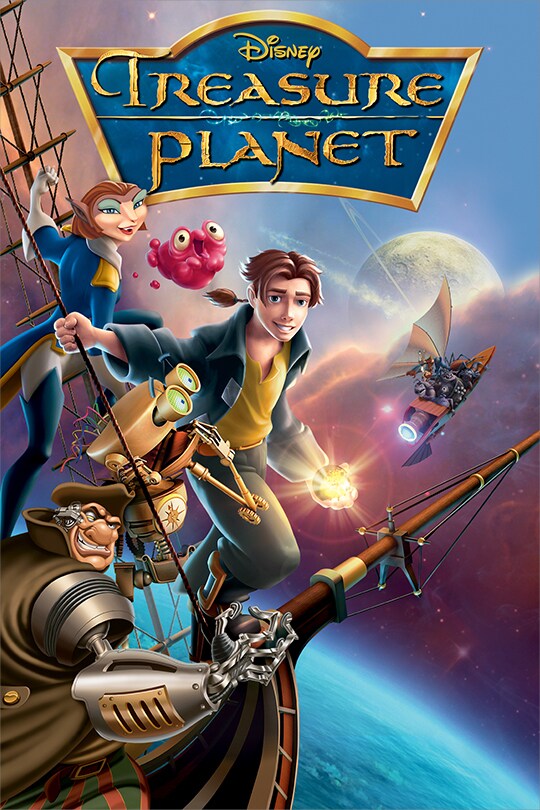
The development history of Treasure Planet is fascinating but also logically correct. The title was being pitched since 1985. However, the Disney studio at that time didn't see the potential of the story. The story was just focusing on a boy and the adventure in space. In that time, Sci-Fi wasn't the main spectacle for kids.
The duo directors, John Musker and Ron Clements, didn't give up; they kept pitching it to Disney for 10 years. They pitched it again after the release of The Little Mermaid in 1989. After the release of Aladdin, they pitched it again. However, the chief of Disney Studios at that time wanted the duo to work on A Princess of Mars rather than a boy adventure in space. It was better to have Sci-Fi about a princess from another planet
That's a great analogy, because Disney at that time was circling an iconic princess.
However, the duo were angry, and they went to the higher-ups, the chairman, Roy E. Disney, the one who backed a lot of films. He agreed to produce the movie. In 1995, they were allowed to commence development on the title after Hercules reached completion.
The development of Treasure Planet is a spectacle in technology and creative terms. They used a lot of CGI and made this animation one of the first hybrid animations. However, the budget of this animation was so high at that time: $140 million dollars.
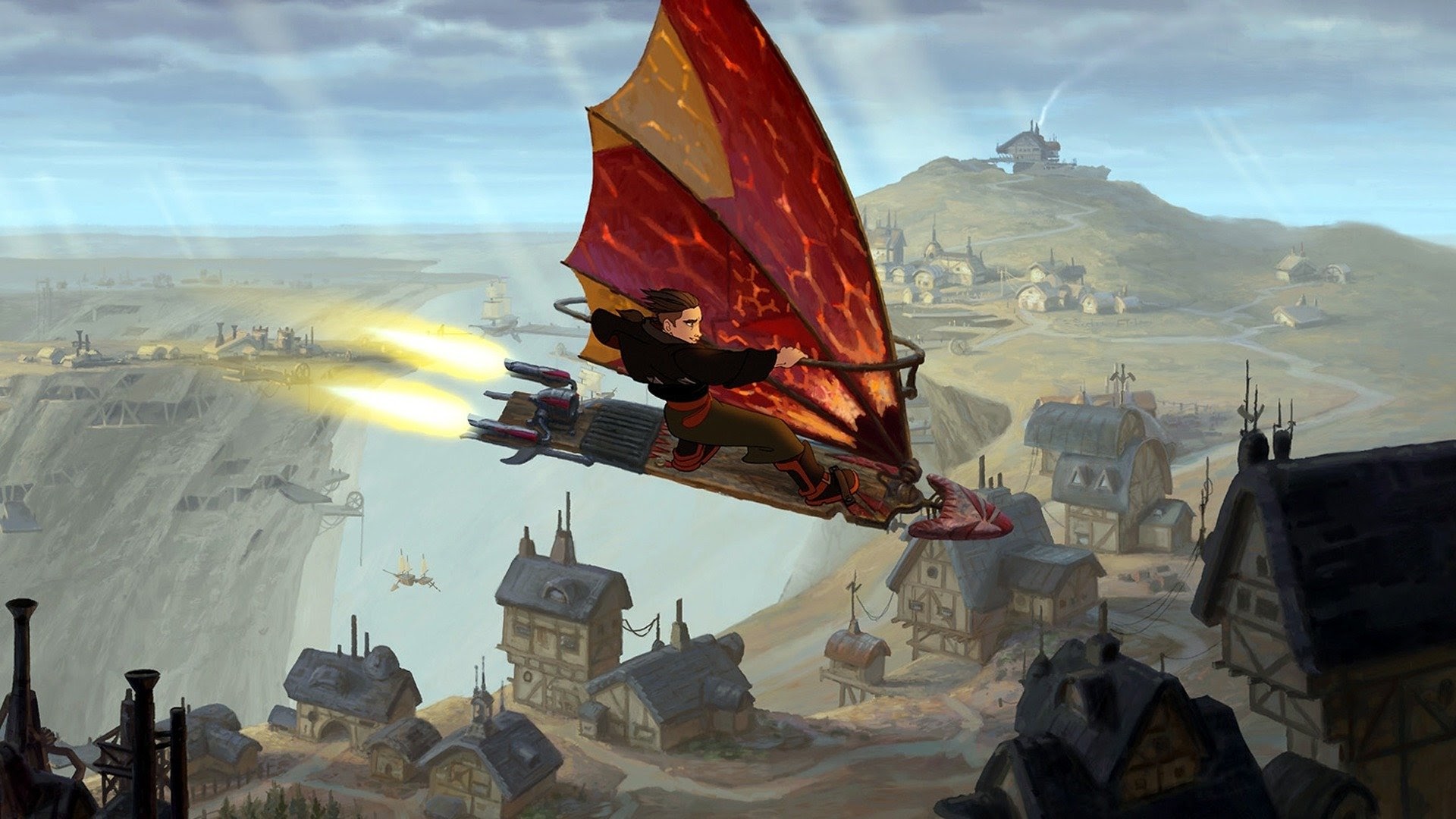
7 years of development later.
The day of the release of Treasure Planet was against giants like Harry Potter.
The box office of this animation was $109.6 million dollars. It is considered one of the biggest failures in feature film history.
The Disney Studio actually was right about the idea. The idea of Treasure Planet was still not good. The main character of the movie wasn't Disney-style; the audience didn't connect with him, and the story was so dense. Kids didn't feel that. Imagine 7-12-year-olds watched this movie; they mostly didn't know the storyline of the story, and secondly, they didn't find any iconic moments, even in the character in the movie. A lot of Disney movies, kids would find a specific character interesting and iconic, and they loved that character.
HOWEVER, DISNEY WAS BEING SAVED IN THAT YEAR.
So, the loss of money from Treasure Planet, Disney had that back again. It was from Lilo & Stitch (2002).
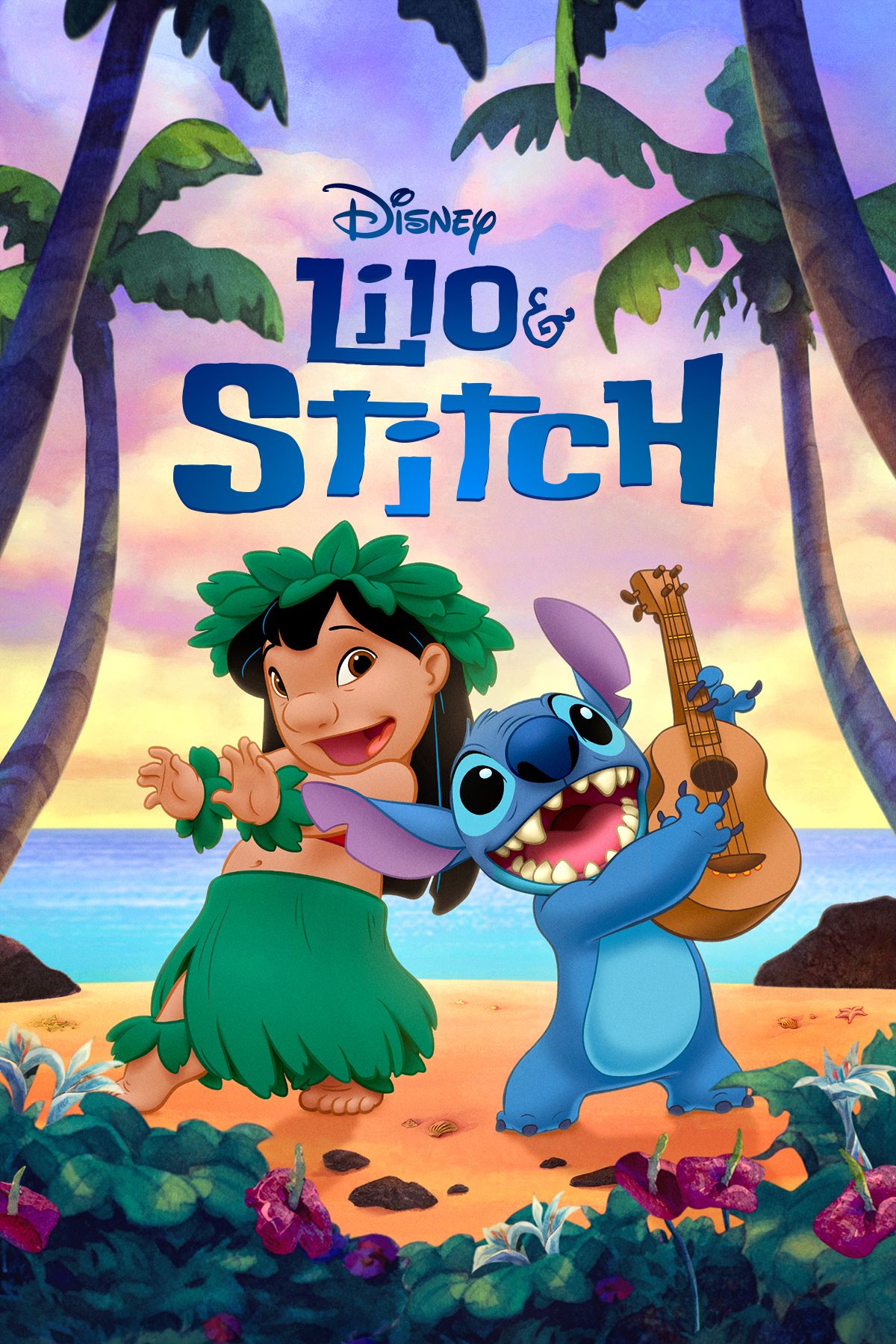
The budget of that animation was $80 million dollars, and the box office was $273 million dollars.
The movie was actually known as a hand-drawn miracle. They used the same production style for background art as Dumbo (1941).
The difference between Lilo & Stitch and Treasure Planet could be seen in what the audience wanted to watch.
Lilo & Stitch is focusing on a character-driven story.
Treasure Planet is focusing on complex spectacles.
The main difference is still one: Iconic. A little girl with a blue alien or a teenager adventuring in space.
Treasure Planet (2002) was remembered as a turning point where Disney began to doubt the future of 2D animation due to its extremely high production costs.
Disney used hand-drawn animation for two years after Treasure Planet.
Brother Bear (2003)
Home on the Range (2004)
After that, Disney shifted into 3D with Chicken Little (2005).
They revived it again, in 2009, after a 5-year hiatus of Hand-drawn animation, The Princess and the Frog (2009).
Lastly, the last piece of hand-drawn animation was released theatrically by Walt Disney Animation Studios, Winnie the Pooh (2011).
Is it actually the meaning of the word, like basically drawing with a hand?
If it's drawing with a hand.
Then is this essentially considered hand-drawn animation?
I made that years ago, when Komi-san was released. I wanted to make Komi-san less robotic, so I drew and created that.
That's not hand-drawn animation, because I did it fully digital from Keyposes until coloring.
Hand-drawn animation is involved in paper and cel traditionally. However, nowadays Hand-drawn is involved in paper and digital.
Basically, you drew the character animations on paper; after that, you painted them on the cel. That's the essence of hand-drawn animation traditionally. Yet, now you drew the character animations on paper; after that, you painted them digitally.
Basically, the frame is drawn by hand on paper.
Ghibli has used this technique since 1999; the software they used is OpenToonz. You can try the software, as it's open-source software. It has been customized by Studio Ghibli itself; the biggest feature is the scanning feature; basically, it can make a line layer just by scanning the paper.
So if you see a movie with the term "Hand-Drawn Animation" nowadays, it means paper and digital coloring.
Hand-drawn animation is so expensive.
Nowadays, fewer studios pursue this technique because of the budget. Not all of them want to take a risk, because there are some examples of this type of animation being a failure commercially.
The most famous one is from Disney.
The title is Treasure Planet (2002)
The development history of Treasure Planet is fascinating but also logically correct. The title was being pitched since 1985. However, the Disney studio at that time didn't see the potential of the story. The story was just focusing on a boy and the adventure in space. In that time, Sci-Fi wasn't the main spectacle for kids.
The duo directors, John Musker and Ron Clements, didn't give up; they kept pitching it to Disney for 10 years. They pitched it again after the release of The Little Mermaid in 1989. After the release of Aladdin, they pitched it again. However, the chief of Disney Studios at that time wanted the duo to work on A Princess of Mars rather than a boy adventure in space. It was better to have Sci-Fi about a princess from another planet
That's a great analogy, because Disney at that time was circling an iconic princess.
However, the duo were angry, and they went to the higher-ups, the chairman, Roy E. Disney, the one who backed a lot of films. He agreed to produce the movie. In 1995, they were allowed to commence development on the title after Hercules reached completion.
The development of Treasure Planet is a spectacle in technology and creative terms. They used a lot of CGI and made this animation one of the first hybrid animations. However, the budget of this animation was so high at that time: $140 million dollars.
7 years of development later.
The day of the release of Treasure Planet was against giants like Harry Potter.
The box office of this animation was $109.6 million dollars. It is considered one of the biggest failures in feature film history.
The Disney Studio actually was right about the idea. The idea of Treasure Planet was still not good. The main character of the movie wasn't Disney-style; the audience didn't connect with him, and the story was so dense. Kids didn't feel that. Imagine 7-12-year-olds watched this movie; they mostly didn't know the storyline of the story, and secondly, they didn't find any iconic moments, even in the character in the movie. A lot of Disney movies, kids would find a specific character interesting and iconic, and they loved that character.
HOWEVER, DISNEY WAS BEING SAVED IN THAT YEAR.
So, the loss of money from Treasure Planet, Disney had that back again. It was from Lilo & Stitch (2002).
The budget of that animation was $80 million dollars, and the box office was $273 million dollars.
The movie was actually known as a hand-drawn miracle. They used the same production style for background art as Dumbo (1941).
The difference between Lilo & Stitch and Treasure Planet could be seen in what the audience wanted to watch.
Lilo & Stitch is focusing on a character-driven story.
Treasure Planet is focusing on complex spectacles.
The main difference is still one: Iconic. A little girl with a blue alien or a teenager adventuring in space.
Treasure Planet (2002) was remembered as a turning point where Disney began to doubt the future of 2D animation due to its extremely high production costs.
Disney used hand-drawn animation for two years after Treasure Planet.
Brother Bear (2003)
Home on the Range (2004)
After that, Disney shifted into 3D with Chicken Little (2005).
They revived it again, in 2009, after a 5-year hiatus of Hand-drawn animation, The Princess and the Frog (2009).
Lastly, the last piece of hand-drawn animation was released theatrically by Walt Disney Animation Studios, Winnie the Pooh (2011).