Webnovel Feedback Roasts For the Fearless

Tempokai

The Overworked One
Joined
Nov 16, 2021
Messages
1,396
Points
153
Love it? Hate it? I like anyone that takes time to read NeaNight!

Neapolitan Nightmares

I read three chapters, and I can confirm the prophecy: I got exactly what I expected, which was a whole damn nothing—three servings of narrative air-frying, lightly seasoned with "please clap" moralizing and the kind of average Californian ideological talking points you usually have to endure while clicking "I acknowledge" on an HR training slideshow probably called something like "Respect In The Workplace: Don’t Be A Cartoon Villain, Please." I came in looking for a webnovel that promised "girls’ love" and "three girls versus a killer," and instead I got a prologue that preens, a first chapter that catalogs, and a second chapter that lectures, all while the actual story—the one your synopsis swore you were telling—waits outside in the rain like a date you forgot you scheduled.

And look, I could’ve ignored the mumbo jumbo in those chapters and write something about "bad pacing". Readers like me, who read too much ignore a lot. Readers who just want to be entertained ignore typos, contrivance, awkward metaphors, and the occasional sentence that dies halfway through like it remembered it left the oven on. Hell, readers even ignore preaching when it’s background radiation if the story interesting, when it’s part of the wallpaper and not the damn foundation. The problem here is that the preaching isn’t decorative; it’s load-bearing. Your opening chapters are built like a house where the support beams are made of "here’s how I feel about society," and the moment a reader leans on it for entertainment, the whole structure groans and starts flaking into opinion dust.

I always say, first impressions matter. It matters because webnovels are a street fight for attention, not a gentle seminar where everyone politely waits for your third-act brilliance that isn't brilliant but everyone says to not hurt the "vibes". You don’t get to stroll in late, lay your manifesto on the table, and assume the audience will stay seated until you decide to begin the plot you advertised. The first chapter isn’t a warm-up lap; it’s the bouncer deciding whether you get into the club. Your opening, unfortunately, hands the bouncer a laminated card that reads: "I have feelings and grievances and I am going to process them at you before I tell you any story," and the bouncer—who is the average reader—goes right back to doomscrolling and reading yet another GL fox girl isekai #241 simply because it exists.

The core issue, the rancid little engine behind the whole mess, is persuasive power. Or, more accurately, the absence of it. The story doesn’t persuade me to care about the characters, the setting, the stakes, or the horror premise; it assumes I’ll care because you care. That’s adorable, like a toddler handing me a wet rock and insisting it’s a treasure, except the toddler is armed with paragraph-long generalizations about power dynamics and the wet rock is your pacing.

So, let’s talk about the implied author, since your opening practically drags them onstage under a spotlight and makes them do jazz hands. Wayne Booth’s idea is simple enough: every text creates an "implied author," the ethical chooser behind the narratorial voice, the presence the reader reconstructs from what the story values, emphasizes, condemns, and excuses. The implied author is supposed to be a ghost, not a roommate whose snoring you can hear above your bunkbed. Here, the implied author has moved in, eaten my cereal, and is pacing the living room explaining what’s wrong with society while the actual cast of characters stands politely in the corner like mannequins waiting for a scene that never arrives.

There’s a thick, syrupy "I’m writing this novel straight from my life experiences" vibe pulsing through these chapters, and by itself that isn’t a crime. Plenty of good fiction is fed by lived experience, bitterness, loneliness, rage, the feeling of being misunderstood, the itch to be seen. The difference is that good fiction metabolizes that into drama. It makes characters specific. It makes the setting do something. It makes the pain generate choices that collide with consequences. But instead, your opening chapters doesn’t metabolize; it regurgitates into generic mush of "everything I hate is bad". The text keeps stepping forward to tell me what it thinks, and it does so before it has earned the right to be heard.

Chapter 0 tries to be stylish menace: mold, stench, a creature called The Wolf, banter with a woman who talks like she’s auditioning for "charming sociopath #3," and then a girl in the corner gets called a "toy" like the story is testing how edgy it can be without having to make the reader feel anything. The scene wants me to be intrigued, but it gives me no reason beyond aesthetic posing. It’s the narrative equivalent of a gal revving her engine at a red light and expecting applause instead of a warning from a police officer. This damn prologue isn’t a hook; it’s a mood board with dialogue bubbles you need to agree is "cool" before you can progress. You can do villain prologues when they sharpen the blade that will later cut the protagonists, but your Wolf doesn’t loom over the story yet—he lounges, he flirts, he waits for the plot like the reader does.

Then Chapter 1 yanks the steering wheel into a classroom full of named classmates, each introduced like you’re taking roll call at a school where the primary curriculum is "how to exhaust a reader’s working memory." It’s not that names are evil; it’s that names without narrative function are just noise. You stack up Ingrid and Katie and Winslow and Rosario and Sunshine and Pascal and Aesop and Muhammad and Henry and Michael and Olivia and Elijah and Xaiden and Lucia, and it reads less like a lived-in classroom and more like performative inclusion sprinkled on top like stale confetti. It invites the reader to start guessing what you’re trying to signal rather than what you’re trying to tell, and the moment I’m doing ideological detective work, I’m not inside the fiction anymore.

And then Chapter 2, mercifully, stops pretending it’s a story for a few paragraphs and just becomes a sermon. We get broad, generic examples of exploitation—bosses, doctors, rich people, insecure women near forty—paraded out like a slideshow of grievances that would be right at home in a social media thread titled "things that prove the world is rotten," except you’ve put it in a narrative slot where action is supposed to occur. Fiction can absolutely deal with systemic cruelty, with abuse, with the petty sadism of authority. The difference is that fiction does it through events that make meaning, not through a list of examples that tries to pre-chew the theme and spoon-feed it to me while I’m still trying to figure out why the teacher has anime-villain energy and apparently enough grip strength to lift two students by the collar like she’s training for a forklift certification.

Meanwhile the synopsis sits there, smug and useless, claiming "GL novel about three girls vs a killer," while the opening delivers a useless prologue, a cliché first chapter, and a meaningless second chapter that still hasn’t bothered to start the thing it promised. The pieces don’t add up into a compelling case; they stack like mismatched furniture in a rented apartment. You can call it "slow paced," sure, in the same way you can call a traffic jam "a scenic route," except your pacing makes slow look like a snail crawling upstream with a headwind and a tiny union-mandated lunch break. Nothing moves because the author’s pathos must be aired out first, like emotional laundry hung across the doorway so the reader can’t enter without getting slapped in the face by damp sincerity.

If I were your editor, I’d have said "scrap this opening" without even warming up my red pen, because it doesn’t move the story and it doesn’t persuade the reader to stay. Even if you insisted on keeping the same ingredients—alienated girl, unfair teacher, ominous killer, friendship under stress—you still couldn’t salvage this arrangement, because the arrangement is the problem. You need to reduce yourself to make the story happen. You need to stop speaking over your own characters like you’re afraid they’ll misrepresent you. You need to trust the reader to infer, to wonder, to be unsettled, to care because the world is moving and the stakes are tightening, not because you told them society is bad and authority is cruel and everyone’s a freak.

Right now, the implied author isn’t a guiding intelligence behind the curtain; it’s a person standing in front of the stage, blocking the actors, explaining the play before it starts, then looking offended when the audience leaves.
 

VanVeleca

Member
Joined
Sep 10, 2025
Messages
81
Points
18
I read three chapters, and I can confirm the prophecy: I got exactly what I expected, which was a whole damn nothing—three servings of narrative air-frying, lightly seasoned with "please clap" moralizing and the kind of average Californian ideological talking points you usually have to endure while clicking "I acknowledge" on an HR training slideshow probably called something like "Respect In The Workplace: Don’t Be A Cartoon Villain, Please." I came in looking for a webnovel that promised "girls’ love" and "three girls versus a killer," and instead I got a prologue that preens, a first chapter that catalogs, and a second chapter that lectures, all while the actual story—the one your synopsis swore you were telling—waits outside in the rain like a date you forgot you scheduled.

And look, I could’ve ignored the mumbo jumbo in those chapters and write something about "bad pacing". Readers like me, who read too much ignore a lot. Readers who just want to be entertained ignore typos, contrivance, awkward metaphors, and the occasional sentence that dies halfway through like it remembered it left the oven on. Hell, readers even ignore preaching when it’s background radiation if the story interesting, when it’s part of the wallpaper and not the damn foundation. The problem here is that the preaching isn’t decorative; it’s load-bearing. Your opening chapters are built like a house where the support beams are made of "here’s how I feel about society," and the moment a reader leans on it for entertainment, the whole structure groans and starts flaking into opinion dust.

I always say, first impressions matter. It matters because webnovels are a street fight for attention, not a gentle seminar where everyone politely waits for your third-act brilliance that isn't brilliant but everyone says to not hurt the "vibes". You don’t get to stroll in late, lay your manifesto on the table, and assume the audience will stay seated until you decide to begin the plot you advertised. The first chapter isn’t a warm-up lap; it’s the bouncer deciding whether you get into the club. Your opening, unfortunately, hands the bouncer a laminated card that reads: "I have feelings and grievances and I am going to process them at you before I tell you any story," and the bouncer—who is the average reader—goes right back to doomscrolling and reading yet another GL fox girl isekai #241 simply because it exists.

The core issue, the rancid little engine behind the whole mess, is persuasive power. Or, more accurately, the absence of it. The story doesn’t persuade me to care about the characters, the setting, the stakes, or the horror premise; it assumes I’ll care because you care. That’s adorable, like a toddler handing me a wet rock and insisting it’s a treasure, except the toddler is armed with paragraph-long generalizations about power dynamics and the wet rock is your pacing.

So, let’s talk about the implied author, since your opening practically drags them onstage under a spotlight and makes them do jazz hands. Wayne Booth’s idea is simple enough: every text creates an "implied author," the ethical chooser behind the narratorial voice, the presence the reader reconstructs from what the story values, emphasizes, condemns, and excuses. The implied author is supposed to be a ghost, not a roommate whose snoring you can hear above your bunkbed. Here, the implied author has moved in, eaten my cereal, and is pacing the living room explaining what’s wrong with society while the actual cast of characters stands politely in the corner like mannequins waiting for a scene that never arrives.

There’s a thick, syrupy "I’m writing this novel straight from my life experiences" vibe pulsing through these chapters, and by itself that isn’t a crime. Plenty of good fiction is fed by lived experience, bitterness, loneliness, rage, the feeling of being misunderstood, the itch to be seen. The difference is that good fiction metabolizes that into drama. It makes characters specific. It makes the setting do something. It makes the pain generate choices that collide with consequences. But instead, your opening chapters doesn’t metabolize; it regurgitates into generic mush of "everything I hate is bad". The text keeps stepping forward to tell me what it thinks, and it does so before it has earned the right to be heard.

Chapter 0 tries to be stylish menace: mold, stench, a creature called The Wolf, banter with a woman who talks like she’s auditioning for "charming sociopath #3," and then a girl in the corner gets called a "toy" like the story is testing how edgy it can be without having to make the reader feel anything. The scene wants me to be intrigued, but it gives me no reason beyond aesthetic posing. It’s the narrative equivalent of a gal revving her engine at a red light and expecting applause instead of a warning from a police officer. This damn prologue isn’t a hook; it’s a mood board with dialogue bubbles you need to agree is "cool" before you can progress. You can do villain prologues when they sharpen the blade that will later cut the protagonists, but your Wolf doesn’t loom over the story yet—he lounges, he flirts, he waits for the plot like the reader does.

Then Chapter 1 yanks the steering wheel into a classroom full of named classmates, each introduced like you’re taking roll call at a school where the primary curriculum is "how to exhaust a reader’s working memory." It’s not that names are evil; it’s that names without narrative function are just noise. You stack up Ingrid and Katie and Winslow and Rosario and Sunshine and Pascal and Aesop and Muhammad and Henry and Michael and Olivia and Elijah and Xaiden and Lucia, and it reads less like a lived-in classroom and more like performative inclusion sprinkled on top like stale confetti. It invites the reader to start guessing what you’re trying to signal rather than what you’re trying to tell, and the moment I’m doing ideological detective work, I’m not inside the fiction anymore.

And then Chapter 2, mercifully, stops pretending it’s a story for a few paragraphs and just becomes a sermon. We get broad, generic examples of exploitation—bosses, doctors, rich people, insecure women near forty—paraded out like a slideshow of grievances that would be right at home in a social media thread titled "things that prove the world is rotten," except you’ve put it in a narrative slot where action is supposed to occur. Fiction can absolutely deal with systemic cruelty, with abuse, with the petty sadism of authority. The difference is that fiction does it through events that make meaning, not through a list of examples that tries to pre-chew the theme and spoon-feed it to me while I’m still trying to figure out why the teacher has anime-villain energy and apparently enough grip strength to lift two students by the collar like she’s training for a forklift certification.

Meanwhile the synopsis sits there, smug and useless, claiming "GL novel about three girls vs a killer," while the opening delivers a useless prologue, a cliché first chapter, and a meaningless second chapter that still hasn’t bothered to start the thing it promised. The pieces don’t add up into a compelling case; they stack like mismatched furniture in a rented apartment. You can call it "slow paced," sure, in the same way you can call a traffic jam "a scenic route," except your pacing makes slow look like a snail crawling upstream with a headwind and a tiny union-mandated lunch break. Nothing moves because the author’s pathos must be aired out first, like emotional laundry hung across the doorway so the reader can’t enter without getting slapped in the face by damp sincerity.

If I were your editor, I’d have said "scrap this opening" without even warming up my red pen, because it doesn’t move the story and it doesn’t persuade the reader to stay. Even if you insisted on keeping the same ingredients—alienated girl, unfair teacher, ominous killer, friendship under stress—you still couldn’t salvage this arrangement, because the arrangement is the problem. You need to reduce yourself to make the story happen. You need to stop speaking over your own characters like you’re afraid they’ll misrepresent you. You need to trust the reader to infer, to wonder, to be unsettled, to care because the world is moving and the stakes are tightening, not because you told them society is bad and authority is cruel and everyone’s a freak.

Right now, the implied author isn’t a guiding intelligence behind the curtain; it’s a person standing in front of the stage, blocking the actors, explaining the play before it starts, then looking offended when the audience leaves.
Thank you for taking the time to read NeaNight! This is my first time getting such a deep review going into every aspect.

To be clear on something concerning: The characters are not supposed to represent my views, opinions and actions in real life. I thought they were too ridiculous to think a real person would think or do the same things, but I suppose there are people legitimately as evil as some of them and many authors self insert into their own story. Sieglinde especially is designed to be attractive to me rather than as a representation of my own mind.

I hope perhaps someday you might return to NeaNight :3
 

MC-Stories

The Wandering Dragon Storyteller
Joined
Dec 2, 2025
Messages
151
Points
43
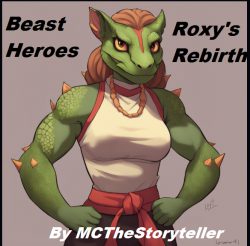
Are you one of those brave souls who believe your manuscript is teetering on perfection but still wake up at 3 a.m. knowing deep down it’s a disaster? Good. You’re my favorite kind of writer. I’m here to roast your work—scorch it until the ashes look usable. Think of me as the Gordon Ramsay of prose, minus the condescension and fake praise. If your story’s dialogue sounds like two malfunctioning robots reciting a phrasebook, or your pacing moves like a snail overdosed on melatonin, I’ll say so. And you’ll thank me. (Eventually.)

I won’t pat your ego or whisper empty affirmations about how your “raw passion” is shining through. I’ll wield my critiques like a rusty spork and perform open-heart surgery on your prose—messy, necessary, and unforgettable. Don’t worry; you’ll survive. Growth always hurts. But so does realizing your novel reads like someone fell asleep on a keyboard.

If you think your manuscript is ready for tough love, I’ll give it to you straight—no sugar, no spoon. You’ll cry, sure, but you’ll also crawl out of the wreckage stronger. Because what doesn’t kill your manuscript will absolutely make it publishable.

Think you can handle it? Drop your link below. Let’s fix your words before they become tomorrow’s filler on this website.
I accept your challenge!
 

Tempokai

The Overworked One
Joined
Nov 16, 2021
Messages
1,396
Points
153
One sentence roasts for the webnovels I skipped.

Mine too, I would love to get some feedback. Anything good or bad.

I wanted to write some constructive "roast" for you, but given that it's basic The ButlerGPT output, it will be useless even for total evisceration for evisceration's sake. I can only say your webnovel has a lot of inside trash from LMM patterns, overdramatizing short sentences, bad metaphors, tonal mismatch, and cringe "sarcasm" that doesn't work because it's too tryhard, "I NEED THIS BARB HERE, THERE AND THERE" type of BS. 3/10, too many LLM patterns.

First "webnovel" has only 971 words, with generic sob story I read at least five hundred times and better, and second one is LLM generated, with two chapters. 0/10, because there's nothing to roast.

Hello again! I've done my best to apply what you'd highlighted in your previous feedback for my edits, and I think I'm pretty satisfied with how it turned out (altho it added an extra 10k words to my draft at one point :sweating_profusely:) I'm now humbly requesting for another roast on the grill before I get too far ahead of myself :blob_hide: thank you!

The Best Revenge Is Becoming a Villiainess
8/10, aka good enough. Now, do better. Here's your roast.

Alright, folks—my chapters are officially ready to be roasted. ??

I’ve got my tissues on standby for the inevitable tears, and my ego is prepped for a much-needed crash-landing back to Earth. ?✨


Bring on the brutal honesty—I can take it!
LLM generated response, and the webnovel probably was LLM generated too that it got deleted by the Tony himself. A true roast I could not do. 0/10.


Here ready for roasting
Generic, forgettable, and user wasn't online in months. 2/10.

I’m definitely not fearless, but my anxiety outweighs my fear of the roast. I’m humbly leaving the link to my novel here, hoping for a review. Thank you if you decide to read it, and thank you just the same if you don’t.

My New Body Came With a Glitch
The user wasn't online in months, therefore I skipped it. 5/10 because I didn't read it lmao.


Three others before the last quote have deleted their webnovels, one before is depraved enough for me to not have any opinions because I don't want to read it, and so on. I could've written a proper roast to Shadowless03, but given it broke my analytical mind with those The Butler patterns, this is enough for this week. I can only put those chapters through LLM, and paste it here, but why I must do that when the "author" has the same Butler as me? Whatever. What I can say is this: creation is divine, but persuasion is survival. These webnovels hadn't persuaded me to care, and the first one actually betrayed my time once I realized it was made by The Butler.
 

Hans.Trondheim

Low energy is king!
Joined
Jan 22, 2021
Messages
1,973
Points
153
Are you one of those brave souls who believe your manuscript is teetering on perfection but still wake up at 3 a.m. knowing deep down it’s a disaster? Good. You’re my favorite kind of writer. I’m here to roast your work—scorch it until the ashes look usable. Think of me as the Gordon Ramsay of prose, minus the condescension and fake praise. If your story’s dialogue sounds like two malfunctioning robots reciting a phrasebook, or your pacing moves like a snail overdosed on melatonin, I’ll say so. And you’ll thank me. (Eventually.)

I won’t pat your ego or whisper empty affirmations about how your “raw passion” is shining through. I’ll wield my critiques like a rusty spork and perform open-heart surgery on your prose—messy, necessary, and unforgettable. Don’t worry; you’ll survive. Growth always hurts. But so does realizing your novel reads like someone fell asleep on a keyboard.

If you think your manuscript is ready for tough love, I’ll give it to you straight—no sugar, no spoon. You’ll cry, sure, but you’ll also crawl out of the wreckage stronger. Because what doesn’t kill your manuscript will absolutely make it publishable.

Think you can handle it? Drop your link below. Let’s fix your words before they become tomorrow’s filler on this website.
Do it, so I'll know if I'm just wasting my time doing this.

Thanks for your time for giving feedback.


c37

Active member
Joined
May 13, 2025
Messages
252
Points
43
I don't know if this thread is ongoing or not. But can I ask you to roast my work too? It is in my signature. It is better if you just skip c0 since it was made with the intention of providing a sneak peek into my world, so descriptions of characters are less.:blob_cookie:
 

Toshiyuki

New member
Joined
Feb 10, 2026
Messages
9
Points
3
If you want to roast my work I’m completely open to it! My book is called Pharmakon and the basic premise is that the protagonist is pulled between the real world and a fantasy world every time he sleeps. Heres the link!


Tempokai

The Overworked One
Joined
Nov 16, 2021
Messages
1,396
Points
153
Might as well toss my hat into the ring.
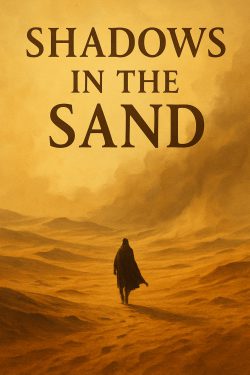
I read two chapters, which in this case means I was lovingly volunteered to read what is essentially eight chapters smuggled across the border inside the trench coat of "Chapter Two," and the first thing that needs to be said is this: 15k words for a second chapter is a hostage situation. That is not a chapter, that's a whole municipal dump truck reversing over your readers while beeping politely and then accidentally flattening persuasion because of that. You cannot hand somebody Chapter Two and expect them to treat it like a light read your teacher forces upon you during holidays when it has the caloric density of a short novella. Cut that beast into at least three chapters, because right now it reads like you lost a bet with the beast called "chapter segmentation".

And that is the strange part, because the story itself is fine. Not magnificent, not transcendent, not a sacred machine relic handed down by the Omnissiah’s least irritating nephew, but fine. Better than a lot of the swampwater floating around webnovel platforms, certainly. The prose can stand upright. The setting has texture. The author clearly knows how to string a scene together without dropping every sentence on its head. For a Warhammer 40k fan, this is a treat. This is catnip with rust flakes in it. They see machine cults, frontier misery, sand, relics, heresy, the Imperium’s usual spiritual landfill fire, and they’re home. They don’t need convincing, only that "in the 40th millennium, there's only war" whiff of sacred grease and a man in armor doing suspiciously competent things near broken machinery.

For anyone outside that church, though, this is a "quirky" sci-fi story standing on a pile of lore bricks it assumes the reader can see through the carpet. The synopsis is fine, but it leans very hard on the fact that the reader already knows why any of this should matter. Yes, you generalized some of the phrasing so the normies don’t choke immediately on terms like Mechanicus and Imperium, which was smart, but the whole thing still sells better to people who arrive pre-infected with 40k brainworms. To them, "machine-priests" is flavor. To everyone else, it is just one more eccentric noun in the desert. The blurb has atmosphere, certainly, but atmosphere is not a hook when you’re competing in the Webnovel Realm, that cursed digital bazaar where your neighbors are selling "generic setup plus one dirty twist plus maybe smut in chapter three" with the efficiency of street vendors overpromising gold, while selling copper. Your synopsis is western-coded, meaning it values mood, setting, and gravitas over immediate novelty, and that can work, but it works uphill on this kind of site. There is an audience for this story, yes, but relying on atmosphere alone in a webnovel synopsis is like bringing a violin to a knife fight and hoping everybody pauses to admire the tone wood.

Chapter One is fine too, which is almost the most irritating possible outcome, because it means the problems are not amateur disasters, just choices that keep kneecapping the story at the exact moment it ought to be sprinting. The opening is solid. Elissa in the home, the family rhythm, the town, the call to the gate, the mysterious outsider, the reactor fix, all of that works well enough to persuade a reader to follow the lead. The narrator establishes ethos cleanly. The world feels inhabited. Dusthaven has enough bones to be read as "real place". Elissa enters as a practical woman with authority rather than a mannequin wearing "strong female lead" as a sticker on her forehead. That part is good.

Then the second half starts pouring syrup over itself. The pacing slows because the prose keeps stopping to admire its own atmosphere, and that is when the chapter starts looking at itself in the mirror instead of looking at the road. You’ve got Elissa escorting an unknown stranger with impossible tech into the guts of the town, and somehow the narrative finds time to mention her "five-foot-five hourglass frame," then later that she’d dressed in a way that let her "big girls breathe," as if the reactor scene lacked only one thing: a municipal breast inventory. Koron removes his helmet and the prose behaves like it has just seen a marble statue pull focus in a shampoo commercial. Then the tavern women chime in to make sure nobody misses the point that yes, the mysterious machine man is, in fact, hot in a vaguely unsettling way, thank God the town assembled a consensus committee. None of those details are individually fatal, but together they slow the chapter down and make it feel increasingly curated. Not discovered, curated, like the narrative is dragging the reader by the chin and saying, "Look. Look harder. This one is special."

And then Chapter Two arrives like a Nurgle in vacation and expects applause from me, who sees that small scroll bar and expects from me to say "not again". There is enough logos and pathos in there to keep somebody reading, absolutely. The poisoned water problem is good. The aquifer scene has real tension. Koron’s line about helping because he can is probably one of the cleanest, sharpest moments in the story so far. There is real material here. The problem is that I stopped at 2/3 part of the chapter, and that none of it is allowed to breathe in the right shape because you dumped it all into one giant chapter cauldron and stirred until it became a stew of mechanical trouble, flirtatious banter, water systems, campfire proximity, bike-speed panic, forge-city setup, and enough atmosphere to pickle a moose.

This is where the format itself turns on you. In serialized fiction, chapter breaks are not decoration. They are memory management. They are pacing valves. They are where the reader resets, digests, and decides to keep going. The reader with a real (or fake epub) book can flip a page, and that serves as a memory consolidator and refresher. You, by making Chapter Two fifteen thousand words long, deny the reader that short-term memory reset. Sure, there are scene breaks, but they don't act like a "reset" like a "next" button does. The result is one big mush. Not because the events are bad, but because there is no clean rhythm to how they land. Morning scene, clinic, aquifer confrontation, tavern discussion, home prep, travel, camp, city approach — that is not one chapter. That is a military convoy pretending to be a bicycle, and then being blown to smithereens when being met with fickle high cortisol brains.

And also, the prose does not help, because it moves too slowly for the platform it lives on. In a traditional novel, sure, you can spend paragraphs describing the clinic, the aquifer, the patched-up machinery, the bike, the voidsuit, the camp, the fire, the cold, and the emotional weather blowing through everybody’s skull. In Webnovel Realm, where readers are checking in during transit, lunch, or the sacred ritual of pretending to pay attention while avoiding eye contact, that pace becomes friction. If a paragraph does not move plot, sharpen character, or intensify conflict, it had better justify its oxygen quickly. Too often here, the story is not advancing so much as lingering. Atmosphere is treated like garlic by a panicked cook: if some is good, perhaps ten whole bulbs shoved directly into the mouth will create genius.

That is the larger issue, really. Atmosphere works when it seasons, it also stops working when it becomes the meal, the plate, the waiter, and the hand forcing the fork between the reader’s teeth. Use it with rhythm. Use it with pressure. Let it come in pulses instead of random flood warnings at 00:17 I got when reading these opening chapters. Right now the story often has the right material and the wrong style of a webnovel.

So the verdict is simple: the story is fine. Better than a lot of the site’s sludge, honestly. But it is packaged badly for the medium, too dependent on fandom goodwill in the synopsis, too indulgent with atmosphere in the chapters, and catastrophically reckless with chapter length. Limit chapters to something like 5k words max, especially this early. Slice the giant book chapter into actual actual webnovel chapters. Tighten the second-half drift in Chapter 1. Make the atmosphere support momentum instead of mugging it in an alley with a Snail Knife of Slowness II. Right now, what you have is a story with real promise delivering itself like a man who shows up to a speed-dating event and responds to "tell me about yourself" by reading the entire maintenance history of a water pump from memory. Technically impressive, yes. Catastrophically misjudged, also yes.
 

JayMark

It's Not Easy Being Nobody, But Somebody Has To.
Joined
Jul 31, 2024
Messages
1,706
Points
128
For anyone outside that church, though, this is a "quirky" sci-fi story standing on a pile of lore bricks it assumes the reader can see through the carpet.
Often a problem with fan-fics, instant audience but difficult for outsiders. Though outsiders may not be the intended audience.


There is an audience for this story, yes, but relying on atmosphere alone in a webnovel synopsis is like bringing a violin to a knife fight and hoping everybody pauses to admire the tone wood.
The writers of the past, Milton, etc, relied very heavily on atmosphere. In this age of short attention spans writing like that to entertain the modern reader doesn't work. I had to throw out the techniques of many old greats I read and the stodgy English lit classes to write slightly more entertaining.

The blurb has atmosphere, certainly, but atmosphere is not a hook when you’re competing in the Webnovel Realm, that cursed digital bazaar where your neighbors are selling "generic setup plus one dirty twist plus maybe smut in chapter three" with the efficiency of street vendors overpromising gold, while selling copper. Your synopsis is western-coded, meaning it values mood, setting, and gravitas over immediate novelty, and that can work, but it works uphill on this kind of site.
This is true, as much as hate it, true. I like lots of twist. I don't like the 'write comfort food and you're only allowed one twist' school of getting popular. Writing generic template genre fiction bores the hell out of me. I need twist after twist to keep going. This doesn't help my writing stay grounded, but it's the way I work. I must discover something I haven't seen a thousand times before. I force myself to have generic concepts to stay grounded, but even then I find myself getting ideas in the way.

"five-foot-five hourglass frame," then later that she’d dressed in a way that let her "big girls breathe," as if the reactor scene lacked only one thing: a municipal breast inventory.
No, no, this is fine, let the big girls breathe, also make them bounce a bit. Add some jiggle physics.

Too often here, the story is not advancing so much as lingering. Atmosphere is treated like garlic by a panicked cook: if some is good, perhaps ten whole bulbs shoved directly into the mouth will create genius.

That is the larger issue, really. Atmosphere works when it seasons, it also stops working when it becomes the meal, the plate, the waiter, and the hand forcing the fork between the reader’s teeth. Use it with rhythm. Use it with pressure. Let it come in pulses instead of random flood warnings at 00:17 I got when reading these opening chapters. Right now the story often has the right material and the wrong style of a webnovel.
Be hyper-efficient with your atmosphere descriptions. Cut anything said twice unless there is a GOOD reason to say it more than once.

So the verdict is simple: the story is fine.
Well, banger of a roast. The story deserves high praise if it got this stamp.
 

Talon88.1

Member
Joined
Oct 13, 2025
Messages
25
Points
13
I read two chapters, which in this case means I was lovingly volunteered to read what is essentially eight chapters smuggled across the border inside the trench coat of "Chapter Two," and the first thing that needs to be said is this: 15k words for a second chapter is a hostage situation. That is not a chapter, that's a whole municipal dump truck reversing over your readers while beeping politely and then accidentally flattening persuasion because of that. You cannot hand somebody Chapter Two and expect them to treat it like a light read your teacher forces upon you during holidays when it has the caloric density of a short novella. Cut that beast into at least three chapters, because right now it reads like you lost a bet with the beast called "chapter segmentation".

And that is the strange part, because the story itself is fine. Not magnificent, not transcendent, not a sacred machine relic handed down by the Omnissiah’s least irritating nephew, but fine. Better than a lot of the swampwater floating around webnovel platforms, certainly. The prose can stand upright. The setting has texture. The author clearly knows how to string a scene together without dropping every sentence on its head. For a Warhammer 40k fan, this is a treat. This is catnip with rust flakes in it. They see machine cults, frontier misery, sand, relics, heresy, the Imperium’s usual spiritual landfill fire, and they’re home. They don’t need convincing, only that "in the 40th millennium, there's only war" whiff of sacred grease and a man in armor doing suspiciously competent things near broken machinery.

For anyone outside that church, though, this is a "quirky" sci-fi story standing on a pile of lore bricks it assumes the reader can see through the carpet. The synopsis is fine, but it leans very hard on the fact that the reader already knows why any of this should matter. Yes, you generalized some of the phrasing so the normies don’t choke immediately on terms like Mechanicus and Imperium, which was smart, but the whole thing still sells better to people who arrive pre-infected with 40k brainworms. To them, "machine-priests" is flavor. To everyone else, it is just one more eccentric noun in the desert. The blurb has atmosphere, certainly, but atmosphere is not a hook when you’re competing in the Webnovel Realm, that cursed digital bazaar where your neighbors are selling "generic setup plus one dirty twist plus maybe smut in chapter three" with the efficiency of street vendors overpromising gold, while selling copper. Your synopsis is western-coded, meaning it values mood, setting, and gravitas over immediate novelty, and that can work, but it works uphill on this kind of site. There is an audience for this story, yes, but relying on atmosphere alone in a webnovel synopsis is like bringing a violin to a knife fight and hoping everybody pauses to admire the tone wood.

Chapter One is fine too, which is almost the most irritating possible outcome, because it means the problems are not amateur disasters, just choices that keep kneecapping the story at the exact moment it ought to be sprinting. The opening is solid. Elissa in the home, the family rhythm, the town, the call to the gate, the mysterious outsider, the reactor fix, all of that works well enough to persuade a reader to follow the lead. The narrator establishes ethos cleanly. The world feels inhabited. Dusthaven has enough bones to be read as "real place". Elissa enters as a practical woman with authority rather than a mannequin wearing "strong female lead" as a sticker on her forehead. That part is good.

Then the second half starts pouring syrup over itself. The pacing slows because the prose keeps stopping to admire its own atmosphere, and that is when the chapter starts looking at itself in the mirror instead of looking at the road. You’ve got Elissa escorting an unknown stranger with impossible tech into the guts of the town, and somehow the narrative finds time to mention her "five-foot-five hourglass frame," then later that she’d dressed in a way that let her "big girls breathe," as if the reactor scene lacked only one thing: a municipal breast inventory. Koron removes his helmet and the prose behaves like it has just seen a marble statue pull focus in a shampoo commercial. Then the tavern women chime in to make sure nobody misses the point that yes, the mysterious machine man is, in fact, hot in a vaguely unsettling way, thank God the town assembled a consensus committee. None of those details are individually fatal, but together they slow the chapter down and make it feel increasingly curated. Not discovered, curated, like the narrative is dragging the reader by the chin and saying, "Look. Look harder. This one is special."

And then Chapter Two arrives like a Nurgle in vacation and expects applause from me, who sees that small scroll bar and expects from me to say "not again". There is enough logos and pathos in there to keep somebody reading, absolutely. The poisoned water problem is good. The aquifer scene has real tension. Koron’s line about helping because he can is probably one of the cleanest, sharpest moments in the story so far. There is real material here. The problem is that I stopped at 2/3 part of the chapter, and that none of it is allowed to breathe in the right shape because you dumped it all into one giant chapter cauldron and stirred until it became a stew of mechanical trouble, flirtatious banter, water systems, campfire proximity, bike-speed panic, forge-city setup, and enough atmosphere to pickle a moose.

This is where the format itself turns on you. In serialized fiction, chapter breaks are not decoration. They are memory management. They are pacing valves. They are where the reader resets, digests, and decides to keep going. The reader with a real (or fake epub) book can flip a page, and that serves as a memory consolidator and refresher. You, by making Chapter Two fifteen thousand words long, deny the reader that short-term memory reset. Sure, there are scene breaks, but they don't act like a "reset" like a "next" button does. The result is one big mush. Not because the events are bad, but because there is no clean rhythm to how they land. Morning scene, clinic, aquifer confrontation, tavern discussion, home prep, travel, camp, city approach — that is not one chapter. That is a military convoy pretending to be a bicycle, and then being blown to smithereens when being met with fickle high cortisol brains.

And also, the prose does not help, because it moves too slowly for the platform it lives on. In a traditional novel, sure, you can spend paragraphs describing the clinic, the aquifer, the patched-up machinery, the bike, the voidsuit, the camp, the fire, the cold, and the emotional weather blowing through everybody’s skull. In Webnovel Realm, where readers are checking in during transit, lunch, or the sacred ritual of pretending to pay attention while avoiding eye contact, that pace becomes friction. If a paragraph does not move plot, sharpen character, or intensify conflict, it had better justify its oxygen quickly. Too often here, the story is not advancing so much as lingering. Atmosphere is treated like garlic by a panicked cook: if some is good, perhaps ten whole bulbs shoved directly into the mouth will create genius.

That is the larger issue, really. Atmosphere works when it seasons, it also stops working when it becomes the meal, the plate, the waiter, and the hand forcing the fork between the reader’s teeth. Use it with rhythm. Use it with pressure. Let it come in pulses instead of random flood warnings at 00:17 I got when reading these opening chapters. Right now the story often has the right material and the wrong style of a webnovel.

So the verdict is simple: the story is fine. Better than a lot of the site’s sludge, honestly. But it is packaged badly for the medium, too dependent on fandom goodwill in the synopsis, too indulgent with atmosphere in the chapters, and catastrophically reckless with chapter length. Limit chapters to something like 5k words max, especially this early. Slice the giant book chapter into actual actual webnovel chapters. Tighten the second-half drift in Chapter 1. Make the atmosphere support momentum instead of mugging it in an alley with a Snail Knife of Slowness II. Right now, what you have is a story with real promise delivering itself like a man who shows up to a speed-dating event and responds to "tell me about yourself" by reading the entire maintenance history of a water pump from memory. Technically impressive, yes. Catastrophically misjudged, also yes.
First off, thank you for your time!

And I can see the issues, chapter 2's length came about because I had scenes in my head and I was on a roll, so I didn't really think about the length :D

In most cases I try to hit 20 pages as a bare minimum for chapters, as I normally take roughly two weeks per chapter, so I want the readers to have something to chew on in between. As for the site, I agree, I dont write for webnovels, and when I started posting here I was unaware it was a site geared towards that style, but now Im nearly 60 chapters deep, so Im just gonna bite the bullet.

Fandom wise, I can agree, though in this case its kinda intentional. Warhammer fans are the target audience, less so a generalized fandom.

As for the hotness thing, looking back I can see the issue, though in my defense (And I could have actually put that INTO the page instead of inferring it, badly as it shows), the townsfolk were expecting a half man, half machine amalgam, not a man. But, that said, I'll go back and fix up some of the issues you brought up!

So again, thank you for your time, and I'll put the critique to use!

Edit: And on the smut note mentioned, no, there is no smut in the story. Maybe some handholding though, I'm a degenerate like that ;D
 
Last edited:

Talon88.1

Member
Joined
Oct 13, 2025
Messages
25
Points
13
Often a problem with fan-fics, instant audience but difficult for outsiders. Though outsiders may not be the intended audience.


The writers of the past, Milton, etc, relied very heavily on atmosphere. In this age of short attention spans writing like that to entertain the modern reader doesn't work. I had to throw out the techniques of many old greats I read and the stodgy English lit classes to write slightly more entertaining.


This is true, as much as hate it, true. I like lots of twist. I don't like the 'write comfort food and you're only allowed one twist' school of getting popular. Writing generic template genre fiction bores the hell out of me. I need twist after twist to keep going. This doesn't help my writing stay grounded, but it's the way I work. I must discover something I haven't seen a thousand times before. I force myself to have generic concepts to stay grounded, but even then I find myself getting ideas in the way.


No, no, this is fine, let the big girls breathe, also make them bounce a bit. Add some jiggle physics.


Be hyper-efficient with your atmosphere descriptions. Cut anything said twice unless there is a GOOD reason to say it more than once.


Well, banger of a roast. The story deserves high praise if it got this stamp.
It really wasnt intended for a general audience, I write primarily to sharpen my skills :D

As for the atmo, I can agree with trimming it down some, but overall, Im not a webnovel writer, and I dont really have any intention of making my writing more palatable to the short attention spans. If readers cannot handle that, then frankly speaking I dont see anything lost here.

As for twists, Im really not sure if Im doing a huge amount of that? I have several chekoves guns locked and loaded, ready to fire, and I hope their fun and unique, but at the end of the day, thats not up to me, you know?

Dont tempt me :ROFLMAO:!

I'll focus more on like you said, trimming them down, but Im not going to evaporate them entirely either :D

And I hope to improve!
 

MC-Stories

The Wandering Dragon Storyteller
Joined
Dec 2, 2025
Messages
151
Points
43
I've improved the writing format, but i still want to see what you have to say
 
Top